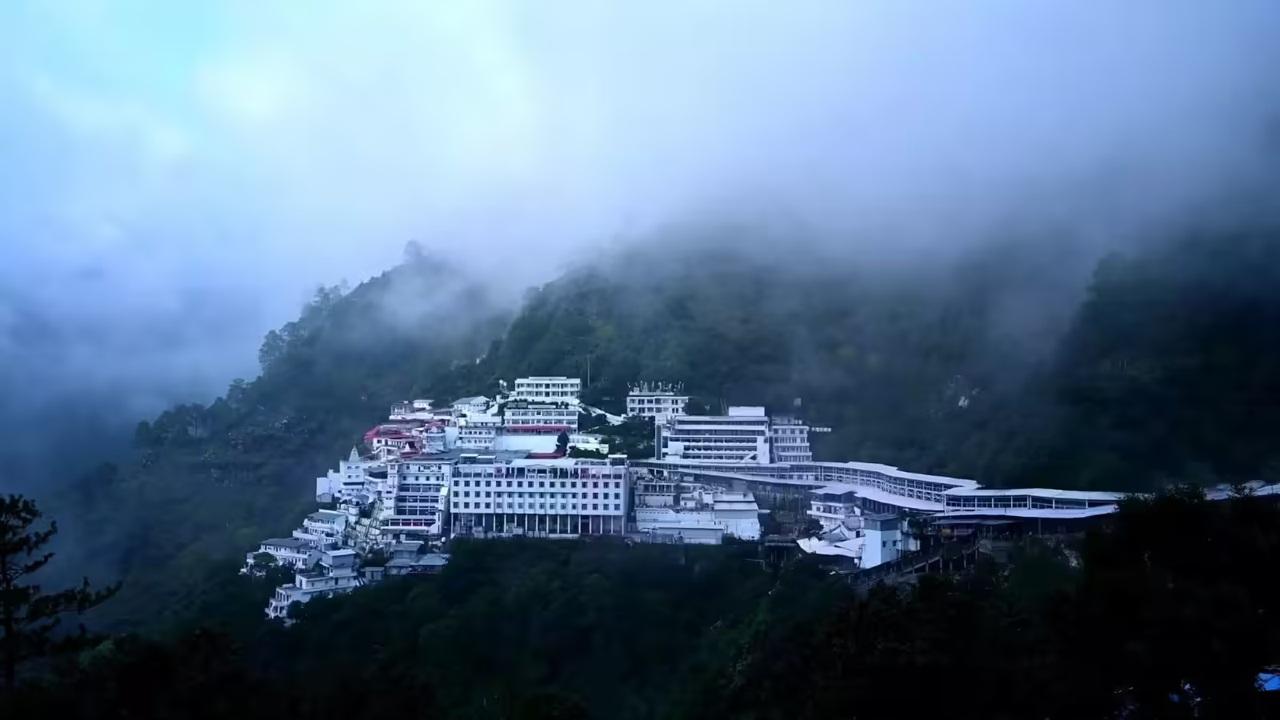
Vaishno Devi Yatra 2026: Helicopter Booking, Permits & Route Guide
Vaishno Devi yatra in 2026 — RFID yatra parchi registration, helicopter booking on the official portal, the 12-km route, real costs, and the timing tricks regular yatris use.
The yatra most travel blogs get wrong
Most blog posts about Vaishno Devi were written before the SMVDSB modernised the entry system. They tell you to "just walk up" or "book helicopter at the counter" — both are wrong now. The yatra has been fully digitised: RFID parchi is mandatory, helicopter is online-only, and real-time crowd management routes you to one of multiple paths depending on the day.
This guide is for the 2026 reality, not the 2018 nostalgia.
Step 1 — Generate your RFID yatra parchi
Since the security overhaul, every yatri needs a free RFID-based slip to enter the route. No slip, no entry at Banganga checkpoint.
Get it online (recommended)
- Visit maavaishnodevi.org
- Click Yatra Registration (or "Yatra Parchi")
- Enter your details: name, age, gender, address, mobile, ID type (Aadhaar / passport / voter ID), photo
- Choose your yatra date — the parchi is date-specific
- Submit; download the QR-coded slip
It's free. Print it or save the QR on your phone.
Get it offline at Katra
If you arrive in Katra without one (common for last-minute trips), visit the RFID Yatra Registration Counter at the SMVDSB office in Katra (near Bus Stand). Carry an ID and a passport-size photo. Same process, also free.
Step 2 — Decide your route and mode
Three ways to reach the Bhawan from Katra:
Option A — Traditional route (Banganga → Bhawan)
- Distance: 12 km, one way
- Time: 5-7 hours walking; 4 hours by pony; mixed if using battery cars
- Elevation: ~1,500 m gain
- Difficulty: Moderate-strenuous; well-maintained, lit at night, wide paths
- Cost: Free to walk; pony ₹1,000-2,500; palki ₹4,000-7,000; battery car ₹250-700 for specific stretches
Option B — Tarakote route (newer, gentler)
- Distance: 13.5 km via Tarakote Marg
- Time: 6-8 hours walking
- Less steep, more scenic, fewer crowds
- Same end point at Bhawan
- Same parchi works on both
Option C — Helicopter (Katra → Sanjichhat → walk 2.5 km)
- Helipad: Katra Helipad
- Drops you at Sanjichhat (~9.5 km up the mountain)
- From Sanjichhat to Bhawan: 2.5 km walk or battery car
- Massively reduces effort but doesn't eliminate the final stretch
Step 3 — Helicopter booking (the booking that fills in 8 minutes)
Helicopter tickets are the second-most-competitive booking in Indian spiritual tourism (after Char Dham). Here's the playbook.
Where to book
- Official portal: heliyatra.iod.kashmir.gov.in (or follow the link from maavaishnodevi.org → Helicopter Services)
- No third-party site is authorised. Anything else is a tout.
When tickets release
- Typically 45 days in advance
- Some seats reserved for same-day / next-day tatkal at higher price
- Festival surcharges apply during Navratri and Mata's birthday
Fare (current rates)
| Route | One way | Round trip |
|---|---|---|
| Katra → Sanjichhat | ~₹1,830 | ~₹3,660 |
| Tatkal / festival surge | up to ₹2,500+ | up to ₹5,000+ |
(Verify current rates on the portal — they change.)
How to actually get a ticket
- Sign up on the portal the day it opens — accounts get verified in 24-48 hours; do this before you need to book
- Set a calendar reminder for 45 days before your yatra date and book in the first 5 minutes of release
- Be flexible with timings — early morning slots (7-9 AM) sell first; midday slots (10 AM - 2 PM) often have last-minute availability
- Don't refresh too aggressively — the portal locks accounts that spam-refresh
- Have payment + ID details ready — Aadhaar, mobile, payment method pre-selected
If chopper tickets are sold out, don't despair. The walk is the traditional yatra and most regulars say it's part of the experience.
Step 4 — When to go (the timing nobody talks about)
Key calendar windows:
| Window | Verdict | Notes |
|---|---|---|
| Mid-March to mid-June | Best | Pleasant temperature, full helicopter availability |
| June-mid July | Hot at base, cool at top | Avoid weekend due to school holidays crush |
| Mid July - August | Avoid | Heavy rain, landslide risk on traditional route |
| September-October (Navratri) | Most crowded | Multi-hour waits at Bhawan; reserve well in advance |
| November-mid December | Excellent | Cool, clear, fewer crowds; chopper still flies |
| Late December - February | Risky | Snow, sub-zero temperatures, chopper often grounded |
For the calmest yatra at reasonable weather: mid-March or early November weekdays. Most regulars I've heard from prefer these windows.
Festival peak alerts
- Navratri (March-April and Sep-Oct) — busiest weeks of the year. Book helicopter 45+ days in advance. Hotels triple in price. Best avoided unless festival darshan is your specific goal.
- Mata's Birthday (Sep) — single busiest day. SMVDSB sometimes runs special arrangements. Plan accordingly.
Step 5 — Cost breakdown by tier
Budget yatra (₹5,000-8,000 per person, 2 days)
- Bus from Jammu / Delhi to Katra: ₹500-1,500 (sleeper)
- 1 night at Yatri Niwas / budget guesthouse: ₹500-1,000
- Trek up + down: ₹0
- Battery car for last stretch: ₹500-700
- Food and supplies: ₹500-1,000
- Donation / prasad / coconut: ₹200-500
Mid-range yatra (₹15,000-25,000, 2 days)
- Train AC class to Jammu + cab to Katra: ₹2,000-5,000
- Hotel mid-range 1-2 nights: ₹3,000-8,000
- Helicopter one-way + walk down: ₹1,830 + ₹0
- Pony for return: ₹1,000-2,000
- Food at decent restaurants: ₹1,500-3,000
- Prasad / donations: ₹500-1,000
Premium yatra (₹35,000+, 2-3 days)
- Flight to Jammu + private taxi to Katra: ₹5,000-15,000
- Premium hotel 2-3 nights: ₹15,000-30,000
- Helicopter round trip: ~₹3,660
- Palki / VIP arrangements at Bhawan: ₹5,000-10,000 (where available)
- Higher-end meals + ad-hoc transport: ₹5,000-10,000
Step 6 — Packing essentials
| Category | Items |
|---|---|
| Documents | RFID parchi, ID proof, helicopter ticket (if any) |
| Footwear | Broken-in trek shoes; don't wear new shoes — guaranteed blisters |
| Clothing | Layered: T-shirt + light fleece + windbreaker; thermal layer if winter |
| Health | BP / sugar meds, ORS, glucose, dry fruits, water bottle |
| Tech | Power bank, phone, RFID slip on phone (backup paper print) |
| Cash | ₹2-3K small notes for offerings, food, pony bargaining |
| Skip | Heavy backpack, leather goods, perfume / incense (some restrictions at temple) |
What no first-timer is told
- The trek up at night is better than the day. Cooler, quieter, lit paths, fewer crowds at Bhawan early morning. Many regulars start at 4 AM.
- Battery cars save the last 5-6 km of walking — surprisingly underused by yatris. ₹250-700 per stretch.
- The darshan queue at Bhawan can be 1-3 hours during peak; the VIP Atka Aarti darshan (free, paid limited slots) skips most of it
- After Bhawan, a separate trek to Bhairon Baba temple (2.5 km) is traditionally part of the full yatra — the legend says darshan is incomplete without it. Allow 1.5-2 hours extra.
- Prasad at Bhawan is regulated; don't accept random offerings from vendors outside the temple — most are unauthorised.
- Phone photography is prohibited inside the Bhawan sanctum; cloak rooms are available for storing phones.
Common mistakes
- Showing up without RFID parchi — turned back at Banganga, must return to Katra (45-min round trip) to get one
- Booking through "third-party helicopter vendors" — many are scams; only heliyatra.iod.kashmir.gov.in is official
- Wearing new shoes — bring broken-in ones
- Carrying laptop / large bags — checkpoint cloakrooms exist but are paid and inconvenient; pack light
- Skipping Bhairon Baba — religious tradition + it's the same parchi ride
- Going during peak monsoon (mid-July to August) — even outside landslide events, paths are slippery; helicopter often grounded
- Underestimating altitude — Bhawan is at ~1,560 m; for sea-level residents, altitude affects pace. Acclimatise overnight in Katra.
Bottom line
Vaishno Devi remains one of the most logistically smooth yatras in India today. The SMVDSB has digitised what was a chaotic process, and the experience now feels closer to flying than to old-school pilgrimage — RFID checkpoints, GPS-tracked helicopters, real-time crowd management.
The key bookings are free RFID parchi (must have, takes 5 minutes) and helicopter ticket (optional but books out fast at peak season). Pick your route, pack light, walk slow.
For another Himalayan yatra with a similar logistics-first approach, see our Char Dham Yatra guide.
Frequently asked questions
Yes, since the SMVDSB modernised the entry system, every yatri above the age of 9 needs a free RFID-based yatra parchi to enter the yatra route at the Banganga checkpoint. You can get it online at maavaishnodevi.org or in person at the Katra office or RFID counter — both are free. There's no walk-in shortcut.
Vikas
Founder & Editor
Founder of Bharat Sarvaseva. Writes on Indian taxes, government schemes, and citizen services with a focus on actually getting things done.
Related reading
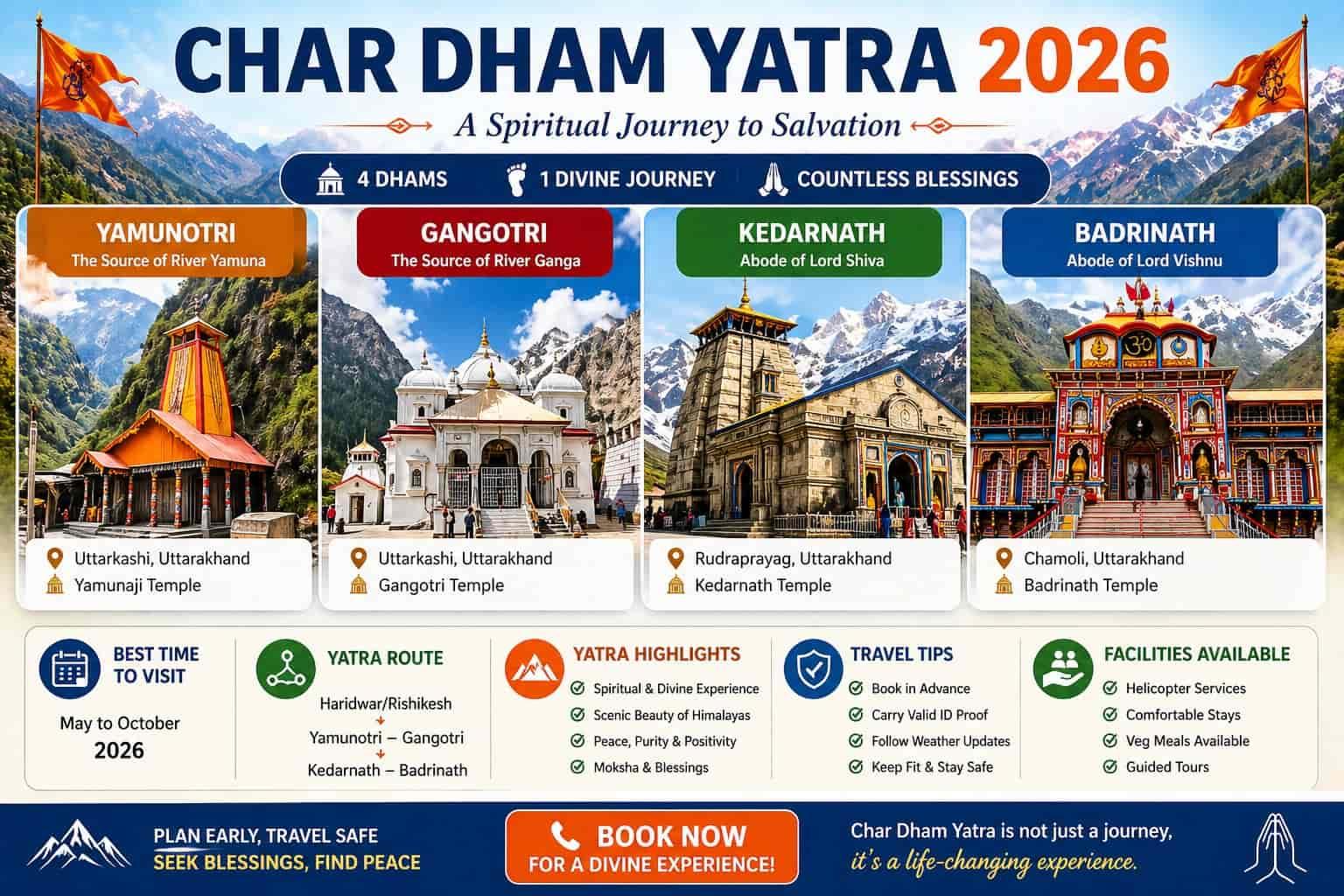
Char Dham Yatra 2026: Registration, Route, Cost & Best Time
Complete Char Dham Yatra guide for 2026 — Yamunotri, Gangotri, Kedarnath, Badrinath. Registration, helicopter booking, cost breakdown, route options, and the best time to go.

BRICS Expansion 2026: What India Actually Gets (and What It Doesn't Want)
How BRICS grew from 5 to 10+ members, why India agreed despite reservations, the 'BRICS currency' that isn't happening, and what India will and won't accept from the bloc.
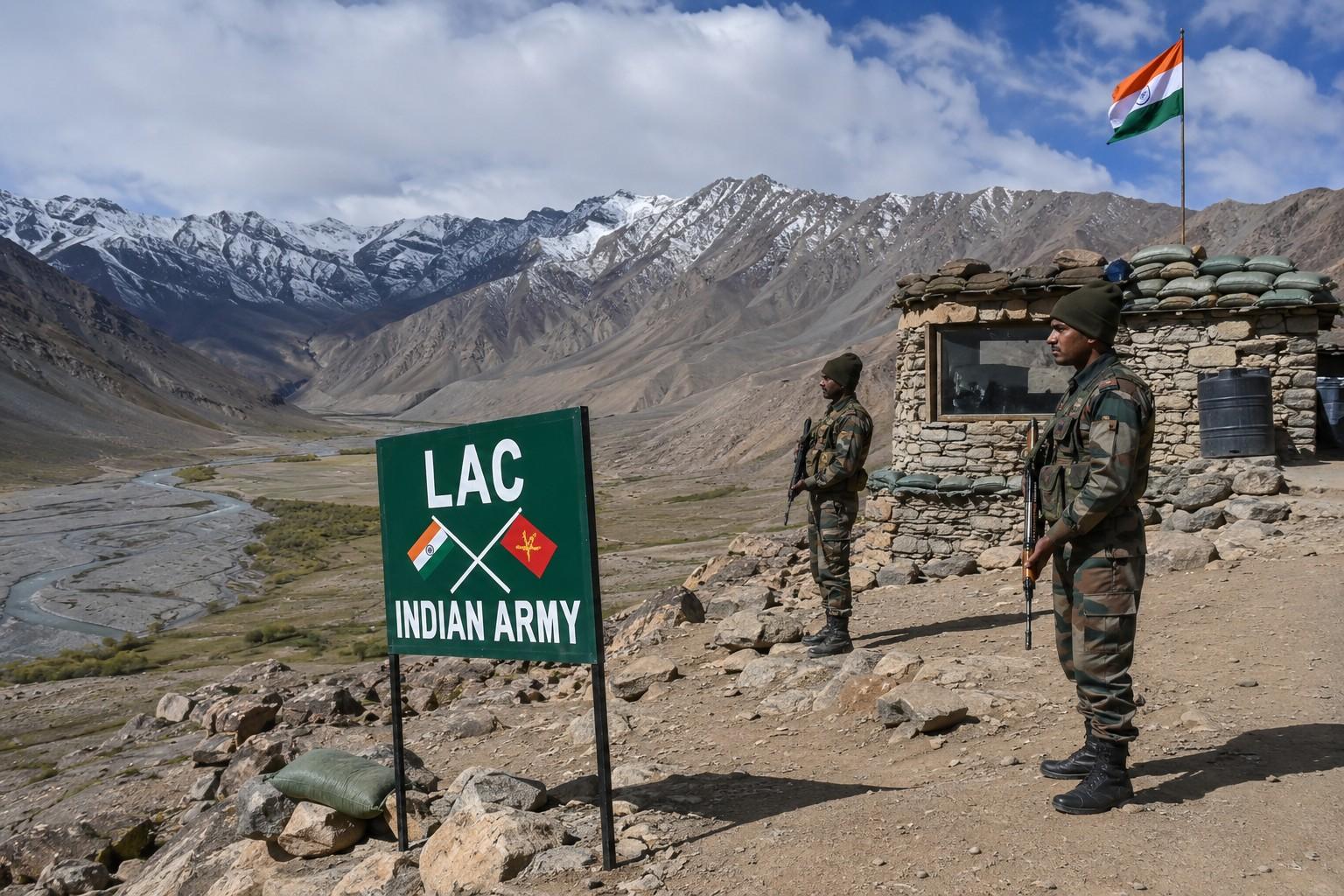
China–India LAC Tensions 2026: What's Actually Happening on the Border
Where the China–India border standoff actually stands in 2026 — the four friction points still active, disengagement vs de-escalation, and what 'managed rivalry' costs India.